Avoid Fines This Spring: Can You Mix Yard Waste, Household Junk?
Avoid Fines This Spring: Can You Mix Yard Waste, Household Junk?
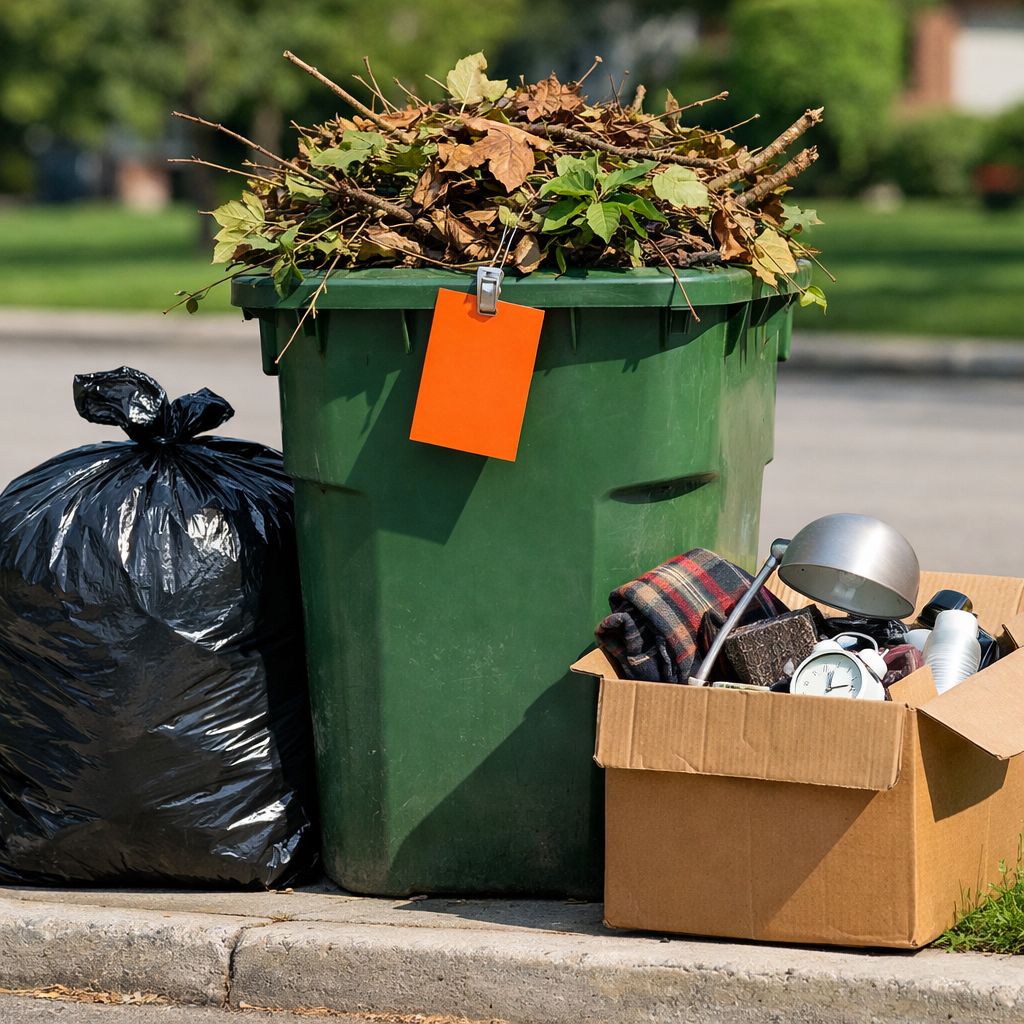
Spring cleaning season brings big piles and tight timelines—but don’t mix yard debris with household junk. Most cities and haulers treat yard trimmings as a separate organics stream, while furniture, plastics, scrap, and bagged trash are municipal solid waste. Combining them is a top reason for rejected pickups, contamination surcharges, and even municipal fines. A logistics-first plan separates streams, right-sizes containers, and routes to verified outlets so your material moves on schedule and counts toward diversion targets. Below, we lay out the rules, options, and playbooks to keep costs down and avoid rejections. Recycler Routing Guide applies this logistics-first approach to keep streams compliant and on schedule.
Short answer and why it matters
No—mixing yard debris with household junk is generally prohibited and can lead to rejected pickups, higher fees, or fines. Separation protects organics diversion, prevents contamination of composting loads, and keeps hazardous items out of grinders and trucks. Food and yard trimmings together made up about 33.7% of U.S. municipal solid waste in 2018 (21.6% food; 12.1% yard), yet only around 8.5% of MSW was composted—so every clean, separate set-out matters for recovery and climate goals (source: National Academies, Chapter 4). “Yard waste (also called yard trimmings) includes grass clippings, leaves, branches, and clean wood. Kept separate, it can be composted; mixed with trash, it becomes contamination and often landfill-bound” (see Miami‑Dade yard waste management report from Earthjustice). Recycler Routing Guide helps teams implement simple separation steps that align with local specs.
How mixing creates fines, rejections, and higher costs
When yard trimmings are buried with trash, they generate methane—a greenhouse gas roughly 30 times more potent than carbon dioxide over 100 years—undercutting climate goals. Safety risks also spike when mixed loads hide lithium batteries; damaged cells can enter thermal runaway and burn above 1,000°F, endangering drivers and facilities and triggering costly incident responses (see this overview of U.S. waste safety and battery fire risks).
Legal and market pressures compound the risk. States increasingly restrict landfilling of separately collected organics (e.g., Maryland’s organics recycling requirements), while end-market shifts since China’s import restrictions pushed processors to tighten contamination standards and pass higher costs to generators.
Table: Outcomes when yard waste is separated vs mixed with MSW
| Practice | Pickup acceptance | Tip fee exposure | Diversion potential | Safety risk |
|---|---|---|---|---|
| Separated yard waste | High (meets organics specs) | Lower organics/compost rates | High—material eligible for composting/mulch | Lower (easier to screen hazards) |
| Mixed with household junk | Low (likely rejection/downgrade) | Higher “mixed waste” or contamination surcharges | Low—often landfill-bound | Higher (hidden batteries/hazardous items) |
Notes: Acceptance, fees, and risk vary by provider and local rules; always confirm written specs and contamination thresholds.
What local yard waste rules typically require
Most municipal programs require paper yard bags or green carts with no plastic liners, bundled branches cut to length and diameter limits, and exclusions for dirt, rocks, and construction debris (see Miami‑Dade yard waste guidelines via Earthjustice). Mandatory separation programs tend to boost performance: cities that require participation have documented recycling rate lifts in the 13–14% range, signaling stricter expectations for organics separation and compliance (GAO review of municipal recycling programs). Recycler Routing Guide standardizes these local specs for field crews so set-outs meet acceptance criteria.
Field checklist for crews:
- Use paper yard bags or green carts; no plastic bags or liners.
- Bundle branches to local size limits and tie with natural twine.
- Set out on the assigned day; many programs are seasonal or biweekly.
- Keep soil, rocks, and plastic out; they contaminate compost streams.
- Never blow leaves into streets—clogged drains can trigger fines and flooding (see yard waste disposal do’s and don’ts).
Separate streams to protect diversion and service reliability
“Mixed yard waste and MSW increases contamination and downtime at facilities, lowering diversion and raising system cost.” Keep streams distinct—designate yard‑waste‑only containers or green carts for trimmings and separate routes or roll‑offs for bulky MSW. This alignment prevents downgrades at the tip floor, stabilizes delivery windows, and ensures organics flow to composters instead of the MSW route. Recycler Routing Guide maps dedicated containers and routes to verified outlets to minimize downgrades.
Operational options for spring cleanup
Municipal curbside programs and seasonal events
Use your city’s green cart or paper yard bag rules, bundle branches to spec, and stage during posted windows. Mixing yard waste with curbside garbage makes recovery difficult and can cause a full-set-out rejection. Use seasonal leaf collections and “yard waste days” to avoid overflow, and compost small volumes at home (typical backyard systems mature in 3–6 months). Quick flow: check the calendar → prep to local specs → set out by 7 a.m. → remove contaminants.
Yard-waste-only roll-offs and routing fit
For high-volume pruning or storm debris, rent a yard‑waste‑only dumpster. Organics compact and weigh differently than MSW—right-size the container to avoid overweight tickets and rejections. Place containers to eliminate double-backs and schedule pulls to match landscaping cycles. The scale merits dedicated streams: Miami‑Dade estimates 443,135 tons of yard waste annually, underscoring the need for organics-specific routing and outlets (Miami‑Dade yard waste volume memo). Recycler Routing Guide pairs container sizing with organics outlets to reduce overweight risk and rejections.
Bulk junk removal as a separate stream
Schedule distinct bulk pickups for furniture, mattresses, and scrap metal to keep organics clean. Plan routes with vehicle cube in mind: mixed recycling loads are about half the density of household refuse, which impacts truck productivity and may warrant separate circuits (Chicago Waste Strategy). Keep household hazardous waste out of both streams to reduce fire and rejection risks.
Self-haul to verified outlets
If you self-haul, pre-sort on-site and use separate vehicles or compartments for yard waste and junk to avoid higher mixed-waste gate rates. Verified outlets are composting, recycling, or disposal facilities with documented permits and end-market pathways; using them reduces greenwashing risk and improves diversion accounting. Compost sites should manage VOCs and leachate—favor permitted facilities with environmental controls. Recycler Routing Guide maintains outlet details—permits, materials accepted, and hours—to support self-haul routing.
Logistics-first planning for multi-site portfolios
Route optimization and container right-sizing
Right-size by seasonal yard waste curves and MSW density, and set pulls to fill-rate thresholds (e.g., weekly vs biweekly). Build multi-stop yard-waste routes during peak weeks and cluster sites to minimize deadhead. Remember that mixed recycling’s lower density than refuse can constrain truck cube when sequencing routes. Recycler Routing Guide provides route templates and container matrices tuned to peak yard-waste weeks.
Container matrix by weekly yard waste volume (cubic yards):
- Up to 0.5 CY: 96-gallon cart (1–2 carts)
- 0.5–2 CY: 2–4 carts or 2-yard container (where allowed)
- 2–6 CY: 6–10-yard roll-off (yard-waste-only)
- 6–15 CY: 15–20-yard roll-off (yard-waste-only)
- 15+ CY: 30-yard roll-off or multiple pulls/week
Driveway access, capacity, and facility constraints
Audit turning radii, overhead lines, and slab strength where roll-offs sit; match truck class to site geometry. Stage containers away from storm drains; blowing or pushing leaves into streets risks flooding and fines. Decide between hub‑and‑spoke staging for pruning crews versus on‑site compaction for bulky junk. Segregate clean wood for higher-value outlets.
KPI gates to control rollout and performance
Set KPI gates before scaling: diversion rate by stream, contamination under 5%, on‑time performance above 98%, and rejections under 2%. Track tip fees by stream and any rejection surcharges to manage true system cost. Align with policy: Maryland’s organics law requires separation of yard and food waste when organics recycling is available (see Maryland Waste Management and Recycling overview). Recycler Routing Guide helps teams capture these KPIs and document rejections for corrective actions.
Transparent provider comparisons and vendor criteria
Acceptance standards, contamination rates, and tip fees
Require written yard-waste acceptance specs (no plastic, size limits), defined contamination tolerance, and measurement methods (scale tickets, photos). Compare tip fees for separated organics versus mixed loads, including contamination surcharges and rejection protocols. Since 2018, stricter global markets have pushed facilities to tighten quality standards; seek MRF/compost partners with clear QA processes and feedback loops. Recycler Routing Guide standardizes how to request and compare written specs, photos, and scale tickets.
Delivery windows, service levels, and rejection handling
Define delivery windows by daypart and set remedies for misses. Require photo verification at pickup and tip. Establish an escalation path for rejections and retrain site crews promptly to prevent repeat issues.
Verified outlets to avoid greenwashing
Ask for facility names, permits, and end-product markets for compost and recyclables; confirm outlets accept separated yard waste and reject mixed organics. Greenwashing in waste means claiming recycling or composting without verifiable processing and end markets; verified outlets provide traceable documentation. With only about 4.1% of food waste composted nationally, improving verified organics capture is essential for real diversion.
Safety and compliance for hazardous materials
Never place lithium or rechargeable batteries, electronics, paint, or motor oil in curbside trash, recycling, or with yard waste. Batteries are a leading cause of truck and MRF fires; use retailer drop-offs and municipal HHW programs (see battery fire risk overview). Household hazardous waste (HHW) includes paints, solvents, oils, pesticides, and batteries that can ignite, corrode, or leach toxins; use approved HHW events, transfer stations, or retail take-back to protect workers and groundwater.
Pro tips to avoid service rejection on pickup day
- Keep streams clean: use paper yard bags or green carts; remove plastic, dirt, and rocks; bundle branches to local size specs.
- Stage properly: keep piles off streets and drains; set out before the route window; take photos of set-outs for proof.
- Hazard screening: pull batteries and HHW; direct to drop-offs; train crews that damaged batteries can exceed 1,000°F and ignite loads.
Frequently asked questions
Can I put bagged leaves in plastic bags with regular trash?
No. Use paper yard waste bags or green carts per local rules. Recycler Routing Guide outlines local bag and cart specs so you set out correctly.
What do I do with branches, soil, or rocks mixed in my pile?
Remove soil and rocks and bundle branches to local size limits before set-out. If you can’t separate, self-haul to a facility that accepts mixed C&D or schedule a separate bulk pickup. Recycler Routing Guide shows when to self-haul versus schedule a separate pickup.
How should I dispose of lithium batteries and paint from a cleanup?
Keep them out of trash, recycling, and yard waste. Take rechargeable batteries and paint to approved HHW drop-offs or retailer take-back locations for safe handling. Recycler Routing Guide lists approved HHW options and basic safety steps.
Will a mixed load be accepted at a transfer station if I pay more?
Some facilities accept mixed loads at higher mixed-waste rates, but you’ll likely lose diversion credit and risk reclassification or rejection. Recycler Routing Guide helps plan pre-sorting to avoid these costs.
When does it make sense to rent a yard-waste-only dumpster?
Rent a yard‑waste‑only roll-off when landscaping volumes spike or during large pruning projects. Dedicated containers protect diversion and lower rejection risk compared to mixing with bulk junk. Recycler Routing Guide provides sizing guidance and routing checklists.