How to Rent a Dumpster for a One-Day Garage Cleanout
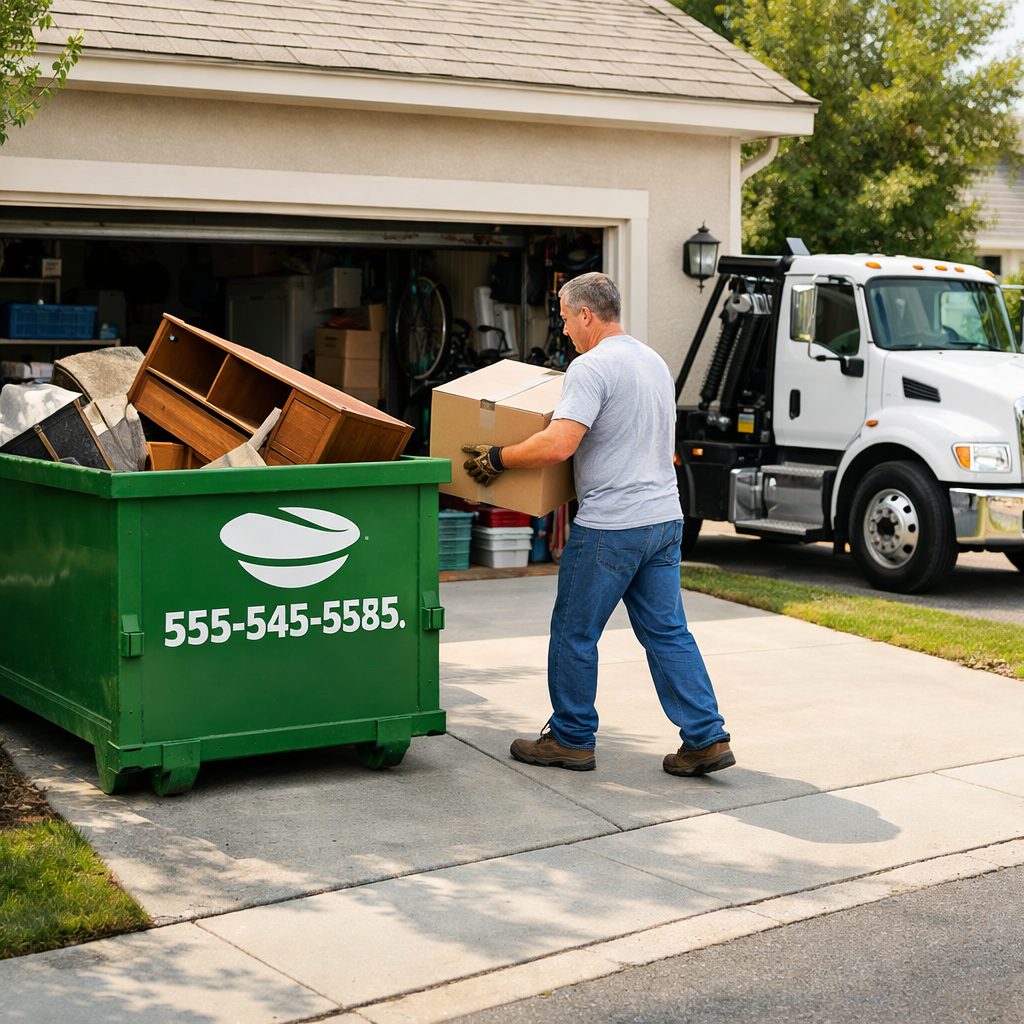
How to Rent a Dumpster for a One-Day Garage Cleanout
A one-day dumpster rental is absolutely doable for a garage makeover—if you plan logistics up front. The playbook is simple: estimate what you’ll toss, right-size the container, lock a flat-rate with an included weight cap, and book tight delivery/pickup windows. Many local haulers support weekend garage projects with short-term rentals and flexible pickups, so you can load out in hours and avoid idle days. Below, Recycler Routing Guide breaks down how to validate a one-day fit, pick the right size, compare flat rates and weight caps, and schedule precise windows so your garage cleanout starts and finishes the same day.
Confirm a one-day dumpster is viable for your project
Many haulers offer short-term dumpster rentals, 1–7 day standard periods, and flexible pickups—making same-day loading a common approach for weekend cleanouts. When you book, confirm delivery and pickup windows to compress the entire job into your chosen day, or morning delivery with next-day pickup if needed. Local providers often accommodate these timelines for garage projects and seasonal purges (see weekend-friendly scheduling examples in Recycler Routing Guide’s overview of Denver garage cleanouts).
A one-day dumpster rental means delivery and loading happen the same day, with pickup either the same day or within a pre-agreed short window. It uses a standard rental period but coordinates tight logistics to finish in hours, avoid idle time, and minimize driveway impact—ideal for a weekend cleanout, short-term dumpster, or same-day pickup plan.
Estimate volume and materials to choose the right size
Right-sizing prevents both overages and second hauls. Estimate your debris volume first, then match a container. Dumpsters are priced and sized in cubic yards—a 3×3×3-foot cube equals one cubic yard—and haulers base their rates and caps on that unit. Guidance for garages:
- 10-yard: Best for a small/single-car cleanout or minimal bulky items.
- 20-yard: Fits multiple bulky pieces (shelving, bikes, small furniture) and mixed clutter.
- 40-yard: Only if you’re combining projects or your garage is exceptionally full.
Calibrate expectations: whole-house cleanouts often need around 30 yards, while light cleanouts run 15–20 yards. Most garages fall squarely into the 10–20 yard band, and choosing within that range usually avoids extra trips. Estimating volume upfront also cuts the risk of weight overages at pickup.
For more on how cubic yards drive pricing and size selection, see Recycler Routing Guide’s guide to dumpster sizing basics.
Visualize cubic yards and common garage loads
Think in cubes: one cubic yard is a 3×3×3-foot space. You’re selecting a dumpster by how many of those cubes your garage debris will occupy.
Helpful mental math and quick cues:
- Break down anything you can; flattened cardboard and dismantled shelving pack far denser than intact items.
- Large sofas are often about 1–1.5 cubic yards once compressed.
- Stacked moving boxes condense significantly if you remove void space.
Dumpster size chart (typical garage loads)
- 10-yard: Small furniture set; roughly 60–80 mixed moving boxes; lighter odds and ends.
- 15-yard: Mixed boxes + 1–2 appliances + shelving or bikes.
- 20-yard: Bulky furniture set + bikes/tools + bagged debris and yard odds.
Use these bands to visualize your garage cleanout volume, then round up if you’re on the fence—going one size larger is typically cheaper than ordering a second haul.
Identify prohibited and special-handling items
Keep hazardous or special-handling materials out of a roll-off. Common garage “no’s” include:
- Wet paint and solvents
- Pesticides and automotive fluids
- Car batteries and tires
- Electronics and e-waste
“Hazardous waste includes materials that are flammable, corrosive, reactive, or toxic. In residential cleanouts, that often means leftover paints, solvents, fuel, pesticides, automotive fluids, and certain electronics. These require special drop-off programs—never toss them into a standard roll-off.”
Route these to local household hazardous waste programs or specialty drop-offs. For planning local options, see Recycler Routing Guide’s quick recycling and drop-off checklist.
Standardize quotes and lock flat-rate pricing with weight caps
To compare apples to apples, request flat-rate pricing that lists everything included: delivery, pickup, disposal, rental days, fuel/environmental fees, and the included weight cap by size. Asking for clear included weights (e.g., 1–2 tons is typical for mid-size rentals), the overage fee per additional ton, and how prohibited items are handled helps you avoid surprise charges. Providers that commit to transparent pricing and responsive service are your best bet for time-sensitive projects.
Use a mini-intake form and photos for accurate bids
Send a consistent scope to each vendor—photos and a few details improve size selection and weight estimates:
- Project day and target loading window
- Estimated volume (cubic yards) and a brief list of the largest items
- Placement location (driveway/street) and any access constraints
- Required delivery and pickup windows (same-day or next-morning)
Attach 3–5 garage photos taken from corners and the threshold. Estimating volume upfront and visualizing bulky items reduces overage risk and mis-sizing. Recycler Routing Guide’s mini-intake template covers these points so bids come back consistent.
Compare flat rates, included weight, and overage fees
Compare total value, not just sticker price. Use a simple grid to line up offers.
| Size | Flat Rate | Included Weight | Overage $/ton | Rental Days | Same-Day Options |
|---|---|---|---|---|---|
| 10-yard | Quote | 1–2 tons (typical) | Quote | 1–7 | Yes/No |
| 15-yard | Quote | 1.5–2 tons (typical) | Quote | 1–7 | Yes/No |
| 20-yard | Quote | 2–3 tons (typical) | Quote | 1–7 | Yes/No |
Prioritize vendors that also note driveway protection, clearly list prohibited items, and show short-term flexibility. For deeper weekend planning tips, see Recycler Routing Guide’s weekend project dumpster guide.
Schedule reliable delivery and pickup windows
To finish in one day, book morning delivery and pre-arrange either same-day or next-morning pickup. Confirm the rental period, included days, and whether you can call for pickup when loaded. Time-sensitive coordination and prompt communication are key selection criteria when you’re compressing a garage cleanout into a single day. Recycler Routing Guide’s scheduling checklist helps you confirm windows and on-call details in writing.
Same-day options and 2–4 hour time windows
Ask for a 2–4 hour delivery window, then set an on-call number to notify the dispatcher when you’re done. Scheduling the dumpster to arrive the day of your garage cleanout helps avoid delays and overnight idle time. Build a backup pickup plan—end-of-day or early next morning—in case loading runs long or weather interferes.
Driveway-safe placement and permit checks
Choose driveway placement if possible; street or curb placement may require a city permit. Haulers often place dumpsters on wood boards to protect asphalt or concrete—confirm this and request it if offered. For a smooth set-down and load-out:
- Use a flat surface close to the garage threshold
- Avoid overhead obstructions and low tree limbs
- Allow generous clearance for truck approach and the rear door swing (many doors need about an 8-foot radius)
Prepare the site and tools for a fast load-out
Before the truck arrives, clear the placement area and ensure access—move vehicles, open gates, and remove obstacles along the approach. Stage donate, recycle, and dispose zones the night before so loading decisions are fast. Wear basic PPE: work gloves, eye protection, and closed-toe shoes.
Clear access, protect surfaces, and stage debris
- Mark the exact spot with cones or chalk and keep 10–15 feet in front clear for the roll-off truck.
- Lay plywood where dumpster rails and truck tires may rest if your hauler advises board protection.
- Pre-sort inside the garage, then stage debris at the threshold by category to minimize back-and-forth and speed loading.
Essential tools for dismantling and safe handling
A compact toolkit saves time and volume:
- Cordless drill and wrenches to dismantle shelving and furniture
- Crowbar for stubborn assemblies and prying
- Dolly or hand truck to move appliances and heavy boxes without strain
- Furniture sliders to glide bulky items safely
- Heavy-duty contractor bags for sharp, heavy debris
- Broom and dustpan for final sweep and to expose small items
A rubber mallet is optional for controlled force without damage.
Load efficiently to avoid overages and delays
Build a stable base with the heaviest items first, then feed in smaller debris to fill voids. Dismantling furniture and flattening cardboard increases capacity and reduces air pockets. Keep materials within posted weight and height limits; a flush rim is required so the driver can tarp safely.
Bottom-load heavy items and break down bulky pieces
Start with appliances, shelving frames, and furniture bottoms to establish a solid base. Break down bulky items—remove legs, shelves, and panels—and flatten boxes to compact space efficiently.
Distribute weight evenly and keep debris below the rim
Spread weight side-to-side and front-to-back to prevent tipping risk during pickup. Never mound above the top rail; overfilled or un-tarpable loads may incur extra charges or an additional trip.
Confirm pickup, final sweep, and hazardous item disposal
Once loaded, call to confirm pickup within your agreed window. Photograph the load below the rim, latch the door, and clear the approach for the truck. Do a final sweep of the garage and driveway, and route any hazardous materials to local programs rather than placing them in the dumpster.
One-day garage cleanout checklist
- Assess volume, sort keep/donate/dispose, and take 3–5 photos for quotes.
- Choose a 10–20 yard size; confirm prohibited items and included weight limits.
- Reserve delivery and pickup windows; verify driveway protection and exact placement.
- Prep the site: clear access, lay plywood if advised, and stage donate/recycle/dispose zones; gather tools (dolly, pry bar, drill, heavy-duty bags).
- Load smart: heavy/bulky first; break down items; distribute weight; keep debris below the rim.
- Confirm pickup; final sweep; handle hazardous items via local programs.
Bagster vs 10–20 yard roll-off for a one-day cleanout
Bagster-type bags can work for very small, light loads with flexible pickup timing. For most garage cleanouts—especially with bulky items, defined weight caps, driveway-safe placement with boards, and same-day or next-morning pickup—a 10–20 yard roll-off is the clearer fit.
Comparison at a glance
| Factor | Bagster (waste bag) | 10–20 yd roll-off (mini roll-off) |
|---|---|---|
| Capacity (cubic yards) | ~3 | 10–20 |
| Weight limit | Low (varies by city) | Higher, defined per size (included weight limits) |
| Footprint | Small, fits in tight spots | Requires driveway space; board protection available |
| Delivery/pickup scheduling | Retail purchase; pickup scheduled with hauler; timing can vary | Scheduled delivery and pickup windows (2–4 hours) |
| Same-day feasibility | Uncommon | Common with local haulers |
| Cost per yard | Higher | Lower, especially for mixed bulky items |
Many local providers maintain 10–20 yard inventory ideal for garage projects and weekend timelines. If your load is mostly boxes and small items with lots of air, a Bagster can work; if you have furniture, shelving, or tools and want a tight one-day schedule, choose a roll-off.
Frequently asked questions
Can I rent a dumpster for just one day and get same-day pickup?
Yes—schedule morning delivery, pre-arrange same-day or next-morning pickup, and confirm a 2–4 hour window; Recycler Routing Guide’s scheduling checklist helps you lock those details.
What size dumpster is best for a standard garage cleanout?
Most garages fit a 10–20 yard roll-off. Choose 10-yard for light clutter and 20-yard for multiple bulky items; when in doubt, size up to avoid a second trip. See Recycler Routing Guide’s sizing guide for quick visuals.
How much does a one-day dumpster rental cost with a weight limit?
Pricing varies by size and location but typically includes delivery, pickup, disposal up to an included weight cap, and a short rental period. Ask for a flat-rate quote that lists the included weight and overage fee per ton; Recycler Routing Guide’s quote template helps you request the same details.
Do I need a permit if the dumpster sits in my driveway?
Usually no. Driveway placement on private property rarely needs a permit; street or curb placement may require a municipal permit—check local rules before booking.
What can’t go in the dumpster during a garage cleanout?
Keep hazardous materials out—no paints, chemicals, automotive fluids, batteries, tires, or e-waste. Use local household hazardous waste programs or specialty drop-offs; Recycler Routing Guide’s drop-off checklist can help you find options.
Links and sources referenced inline:
- Weekend-friendly scheduling and same-day coordination are common in local garage cleanouts.
- Estimating volume first helps avoid overage fees.
- Dumpsters are sized and priced by cubic yards.
- Size and safety tips for garage cleanouts.
- Transparent pricing and responsive service matter for short timelines.
- Driveway protection with boards prevents surface damage.
- Clear access before delivery speeds setup.
- DIY tools that make garage cleanouts faster.
- Heavy-duty bags and cleanup essentials.