Stress‑Free Home Cleaning: Bin Rental Checklist, Local Drop‑Offs, Recycling
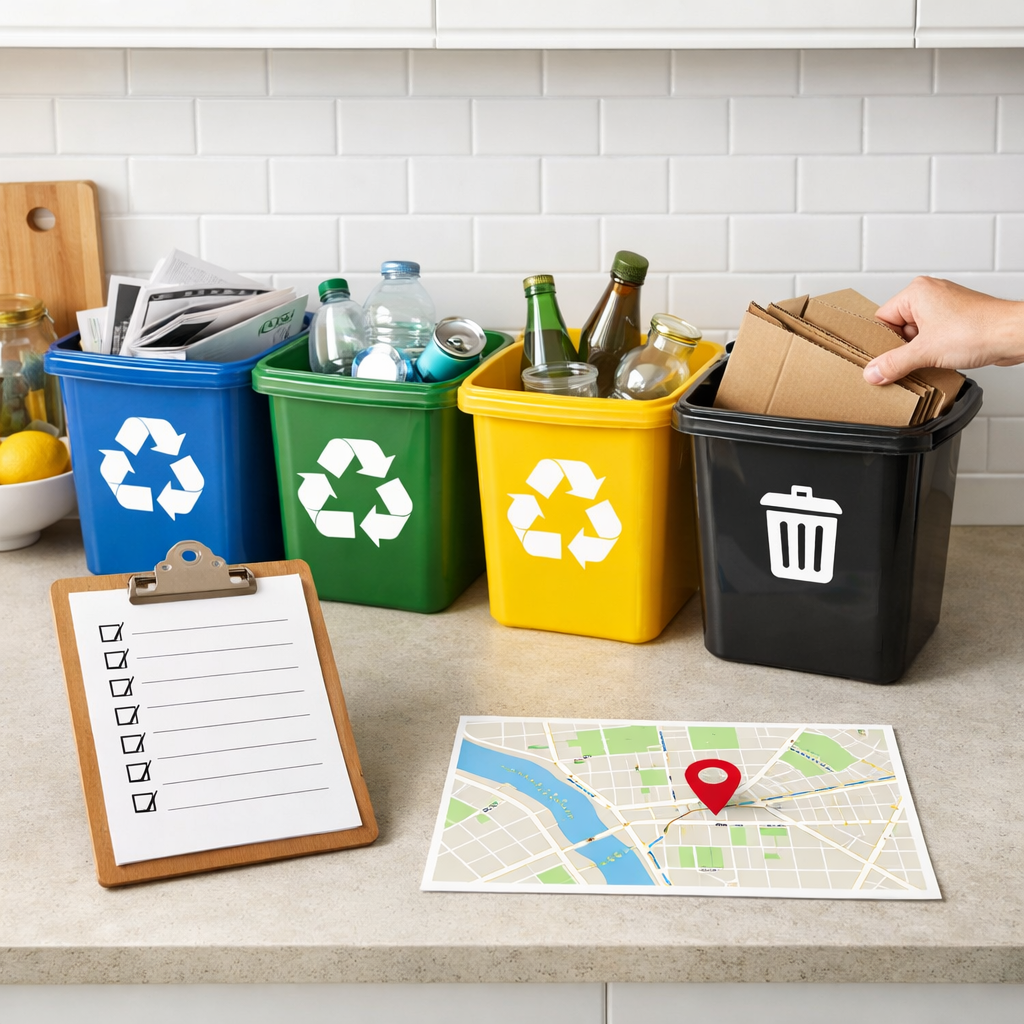
Stress‑Free Home Cleaning: Bin Rental Checklist, Local Drop‑Offs, Recycling
A clean, clutter‑free home is easier when you choose the right disposal path for each item—then follow a tight, fee‑proof plan. For most checklist‑based spring cleanouts where debris accumulates over days, the best bin rental option is a right‑sized roll‑off dumpster (10–20 yd³ for typical homes). Pick junk removal when you need crewed labor and same‑day haul‑away; route hazardous and electronics to municipal drop‑offs; donate usable items first to shrink volume and costs. This guide delivers a practical bin rental checklist, size/price quick references, and KPI‑led tactics that help you avoid overweight fees, contamination charges, permit issues, and missed pickups.
Recycler Routing Guide
This is a neutral, operational playbook from Recycler Routing Guide: vendor‑agnostic, KPI‑led, and focused on right‑sizing equipment, AI‑assisted routing, and governance cadences that reduce missed collections and hidden fees. We optimize for on‑time pickup rate, schedule adherence, and proof‑of‑service so your project runs on time.
Who this helps:
- Homeowners planning spring cleanups
- Small contractors and property/facility managers coordinating multi‑room cleanouts
What you’ll get:
- A clear bin rental checklist that prevents surprise fees
- Side‑by‑side disposal options and when to use each
- Timing and permit best practices that keep your schedule intact
Explore more from Recycler Routing Guide on our home page: https://www.recycleroutingguide.com/
Roll‑Off Dumpster Rental
“A roll‑off dumpster is a temporary, open‑top container delivered on a truck and left on‑site for days to weeks for self‑loaded debris; it’s ideal for staged cleanouts and renovations.” Containers are commonly rented for several days to a few weeks, offering flexible timing compared with a single truckload pickup, as noted in the Barten Bros overview of dumpster vs. junk removal: https://bartenbros.com/dumpster-rental-and-junk-removal-pros-and-cons/
Costs and sizes (7‑day examples; your market and weight limits will vary):
- 10 yd³ ≈ $250
- 20 yd³ ≈ $350
- 30 yd³ ≈ $450
These ballpark bands align with spring‑cleaning dumpster pricing shared in this Junk Rescue checklist: https://junk-rescue.com/essential-spring-cleaning-dumpster-rental-checklist/
Right‑size to the job:
- 10 yd³: small declutters, attic/garage
- 20 yd³: mid‑size renovations, landscaping refresh
- 30 yd³: full estate cleanout; 20–30 yd³ also fits storm debris and whole‑yard rebuilds, per this list of common projects requiring a dumpster: https://www.pursuitrentals.com/five_most_common_home_cleanup_projects_that_require_a_dumpster/
Plan it like a pro: choose size early, secure any right‑of‑way/HOA permits, and don’t underestimate load weight or access needs—recurring pitfalls flagged in this Ultimate Dumpster Rental Checklist: https://nextdaydumpsters.com/blog/blog/ultimate-dumpster-rental-checklist/ Recycler Routing Guide’s sizing basics keep estimates realistic and limit overage risk.
Junk Removal Service
“Junk removal is a crewed service that loads and hauls unwanted items immediately; it trades higher per‑volume cost for speed and labor convenience.” Trucks have limited capacity compared with a roll‑off, so they’re best for single‑day cleanouts, bulky items, or when time and labor are tight; dumpsters usually win on cost per cubic yard for multi‑room or multi‑day jobs, as echoed in the Barten Bros pros/cons analysis above.
Municipal Drop‑Off and Recycling Centers
“Municipal drop‑off centers accept specific materials like e‑waste, paint, and yard debris—often free or low‑cost for residents—with posted hours and acceptance rules.” Use community hazardous‑waste days and e‑waste programs to route batteries, paints, chemicals, and electronics appropriately; many communities accept electronics at no cost, as highlighted in this DIY cleanout pros and cons guide: https://junkedbyvets.com/what-are-the-real-pros-and-cons-of-diy-rental-property-cleanouts/
Adopt a pre‑sort routine: separate donate/recycle/hazardous/trash piles before loading. Call the center to confirm hours and accepted items. Clean streams keep your dumpster load compliant and lower contamination risk. Recycler Routing Guide emphasizes pre‑sort to protect compliance and cost.
Donation Centers
Prioritize reuse to reduce bin size and weight. Stage donations early (furniture, clothing, small appliances), check acceptance rules, and schedule pickup if offered. Create a “keep/donate/recycle/trash” zone to prevent heavy, reusable items from eating into bin capacity or triggering overweight risk. Save receipts for inventory.
Curbside Bulky Pickup
“Curbside bulky pickup is a scheduled municipal service for limited large items; availability, wait times, and material rules vary by location.” Use it for a single appliance or mattress when the schedule aligns; otherwise, choose a roll‑off or junk removal for speed. Program constraints and queues are common, as industry notes on bulky pickup timing attest: https://www.curbwaste.com/dumpster-rental-business-leads
Bin Rental Checklist
Following a step‑by‑step dumpster checklist prevents surprise fees, permit snags, and schedule slips. It mirrors the simple sequence Recycler Routing Guide uses to keep hauls on schedule.
- Plan
- Estimate debris volume; pick a size that fits with headroom.
- Confirm prohibited items and weight limits in your agreement.
- Secure any street/HOA placement permits before delivery.
- Prepare site
- Choose a flat driveway or pad; protect surfaces if needed.
- Clear 60–80 feet of approach, plus overhead/side clearance for safe set‑down—practical site prep that can also lower costs when planned midweek, per this small dumpster rental guide: https://ecolonomics.org/the-ultimate-guide-to-small-dumpster-rental-for-homeowners-how-to-save-money-and-avoid-hidden-fees/
- Sort
- Stage donations and recyclables separately.
- Route paint, batteries, propane tanks, and electronics to municipal hazardous‑waste/e‑waste drop‑offs (see Municipal Drop‑Off section).
- Verify pickup
- Confirm the haul‑away window 24 hours ahead.
- Keep access clear; ensure the bin is not overfilled.
Timing tip: Scheduling midweek or off‑season can reduce rental costs by roughly 20–30%. Planning around peak demand saved nearly 30% in the homeowner examples summarized here: https://ecolonomics.org/the-ultimate-guide-to-small-dumpster-rental-for-homeowners-how-to-save-money-and-avoid-hidden-fees/
Sizing and Pricing Basics
Quick‑reference (7‑day examples; regional pricing and tonnage allowances vary):
| Size | Typical uses | Example 7‑day price |
|---|---|---|
| 10 yd³ | Small declutter, attic/garage | ~$250 |
| 20 yd³ | Kitchen/bath demo, multi‑room cleanout | ~$350 |
| 30 yd³ | Estate cleanout, large remodel | ~$450 |
Scenario fit:
- 30 yd³ for full estate cleanouts
- 20–30 yd³ for landscaping or storm debris; note that municipal bulky pickups are often delayed after severe storms, while a reserved dumpster keeps your timeline, as reflected in project fit notes from Pursuit Rentals above.
Overweight fee (definition, 40–50 words): Overweight fees are charges applied when the dumpster’s contents exceed the rental’s included tonnage allowance. Haulers weigh the container at disposal. Exceeding limits can trigger per‑ton overages and re‑haul fees, making accurate sizing and dense‑material management critical. Concrete, soil, and shingles add weight fast.
For a quick primer on right‑sizing, see our dumpster sizing basics: https://www.recycleroutingguide.com/
Loading Rules and Safety
Do:
- Load evenly and keep debris below the fill line.
- Segregate prohibited items (paint, batteries, propane tanks) to avoid contamination charges.
- Use heavy‑duty bags and pre‑sort donate/recycle/trash to speed loading.
Don’t:
- Overload sides or place items above the rim.
- Block access for delivery or pickup trucks.
Driveway safety: Place the dumpster on a flat, solid surface and protect pavers or asphalt as needed. These simple site prep and sorting habits—paired with proper PPE like gloves and eye protection—are echoed in cost‑saving homeowner guidance and DIY cleanout best practices (see Ecolonomics and Junked by Vets sources cited above).
Placement, Permits, and Schedule
Essentials:
- Choose the right size early and secure permits if placing on a street or in HOA‑controlled areas; missing permits is a common pitfall.
- Favor a flat driveway with clear approach, overhead clearance, and no soft ground.
Scheduling:
- Book midweek/off‑season to cut cost by ~20–30% and improve availability (see Ecolonomics guidance above).
Schedule adherence (definition): Schedule adherence is the share of deliveries and pickups completed within the promised window; higher adherence reduces downtime and rescheduling costs.
Avoiding Hidden Fees
- Overweight/overfill: Right‑size up front; keep debris under the fill line; set dense materials (concrete, dirt) aside for separate routing if heavy.
- Prohibited items: Paint, batteries, propane tanks—use hazardous‑waste and e‑waste programs to keep loads clean.
- Permit/placement fines: Secure street/HOA permits; place on flat, solid surfaces; confirm approach and clearance.
- Timing: Midweek or off‑peak bookings can reduce rental costs by 20–30% and limit surge pricing.
Contamination charge (definition, 40–50 words): A contamination charge is a fee applied when non‑acceptable or hazardous items are mixed into a dumpster load. These materials can cause disposal rejection, require special handling, or force extra transport, triggering per‑load penalties, downtime, and schedule delays for redelivery or re‑sorting.
Route and Pickup Verification
Proof‑of‑service (definition, 40–50 words): Proof‑of‑service is verifiable evidence—such as time‑stamped photos, GPS breadcrumbs, scale tickets, or e‑signatures—that a hauler completed delivery or pickup within the agreed window. It underpins invoice accuracy, dispute resolution, and governance cadences tracking on‑time pickup rate, missed collection rate, and schedule adherence.
Pickup verification flow:
- Reconfirm the pickup window 24 hours prior.
- Clear approach/path; unlock gates; stage final debris below the rim.
- Request a post‑haul photo of the empty site and log dates for schedule adherence reporting.
Recycler Routing Guide standardizes these steps across projects. Track three basics—on‑time pickup rate, missed collection rate, and average turnaround—and address gaps in a weekly governance cadence to prevent repeat issues.
Frequently asked questions
What size dumpster should I rent for a typical home cleanout?
Most standard cleanouts fit a 10–20 yd³ dumpster. If you’re between sizes, see Recycler Routing Guide’s sizing basics.
How can I avoid overweight or contamination fees?
Right‑size the bin, keep debris below the fill line, and separate prohibited items like paint, batteries, and propane tanks. Use municipal hazardous‑waste and e‑waste drop‑offs to keep loads clean; this Recycler Routing Guide checklist covers the flow.
Do I need a permit to place a dumpster at my home?
Driveway placements typically don’t need a permit, but street or HOA‑controlled areas often do. Recycler Routing Guide flags permit needs early so you can confirm before delivery.
What items must go to a special drop‑off instead of the dumpster?
Hazardous materials (paint, batteries, propane tanks) and often electronics should go to municipal hazardous‑waste or e‑waste programs. Use the Municipal Drop‑Off section in this Recycler Routing Guide playbook to confirm routing.
Is junk removal or dumpster rental more cost‑effective for a one‑day cleanup?
For quick, small‑volume jobs with bulky items, junk removal can be cheaper because labor is included. For multi‑room or high‑volume projects, a roll‑off dumpster is usually more economical—use Recycler Routing Guide’s scenario fit notes above to decide.